A Swiss childhood between discipline and freedom
Born in 1889 in Davos, in the Swiss Alps, Sophie Taeuber grew up in a deeply traditional environment. After the early death of her father, her mother opened a boarding house in Trogen, in the canton of Appenzell.
In this setting—where discipline and independence coexisted—she developed a strong artistic sensitivity. Drawing, textile work and craftsmanship became her first means of expression, laying the foundation for a lifelong exploration of form and structure.
Her Swiss upbringing instilled a unique balance: precision paired with creative freedom.
A European avant-garde education
Determined to pursue art, she studied at the School of Applied Arts in St. Gallen, before continuing her education in Munich and Hamburg.
She explored textiles, design, interior architecture and decorative arts. At a time when women were often confined to applied arts, she elevated these practices into a modern artistic language.
Rejecting the hierarchy between fine art and craft, she anticipated the multidisciplinary approach that defines contemporary design.
Zurich and the Dada revolution
During World War I, Zurich became a refuge for avant-garde artists. In 1916, Sophie Taeuber joined the legendary Cabaret Voltaire, birthplace of the Dada movement.
There, she met Hugo Ball, Tristan Tzara and Hans Arp, whom she later married.
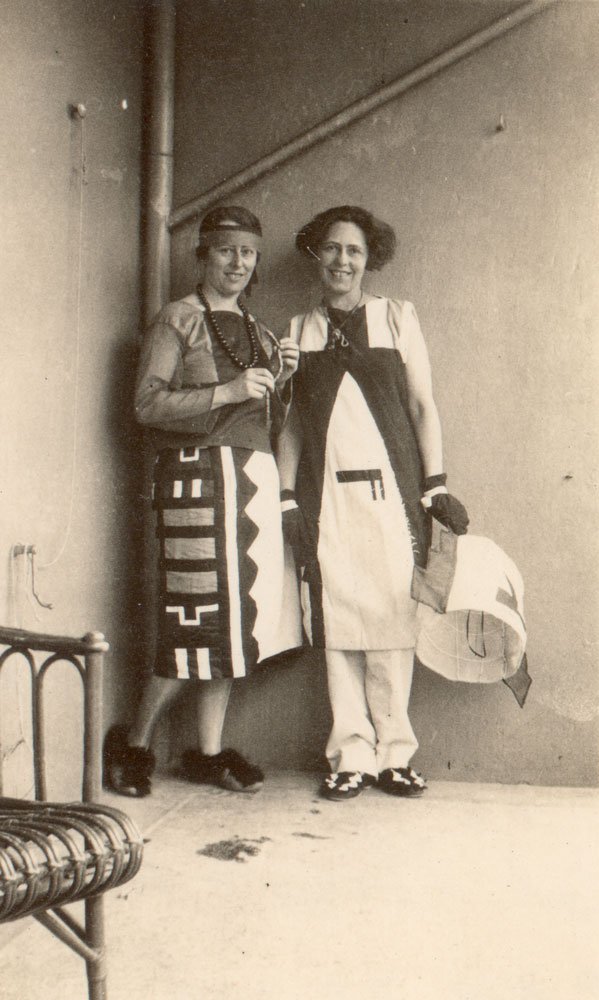
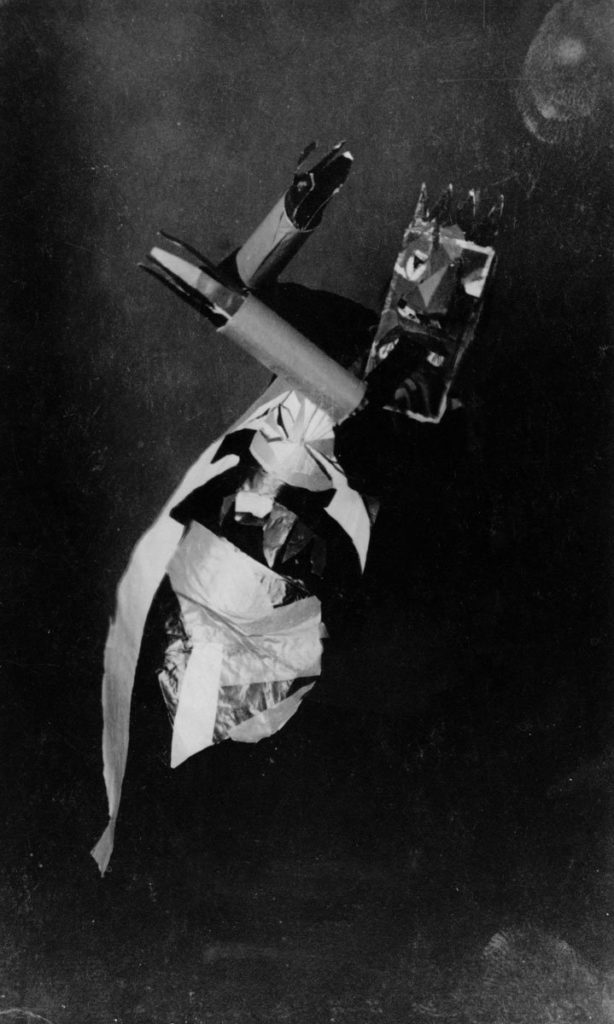
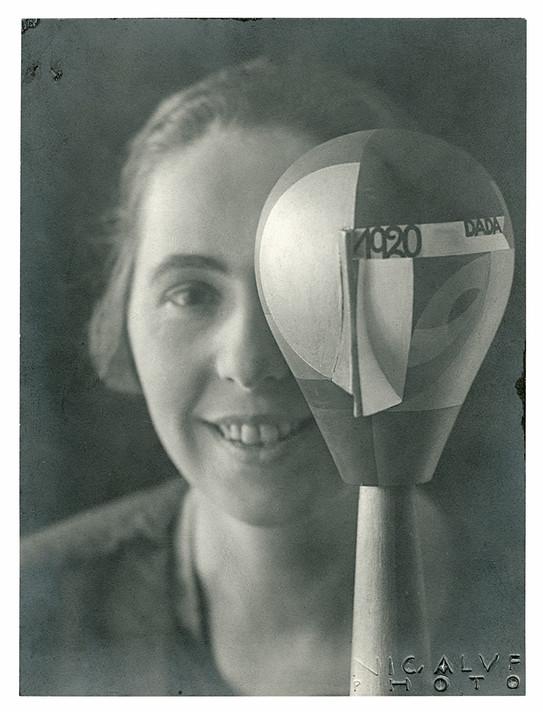
She performed, danced and experimented with new artistic forms. Her geometric costumes and performances became emblematic of the Dada spirit.
With Dada, she embraced total artistic freedom.
The puppets that changed modern art
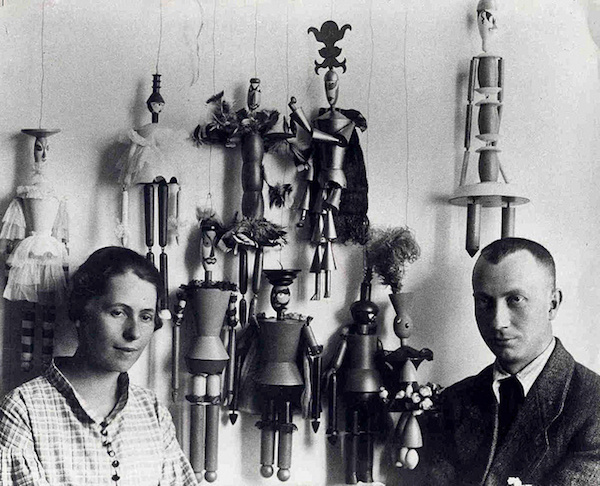
In 1918, she created one of her most iconic works: the puppets for The King Stag.
With their bold geometry, vivid colors and playful abstraction, these figures remain strikingly modern.
Today preserved in Zurich, they embody her vision of total art—where function meets imagination.
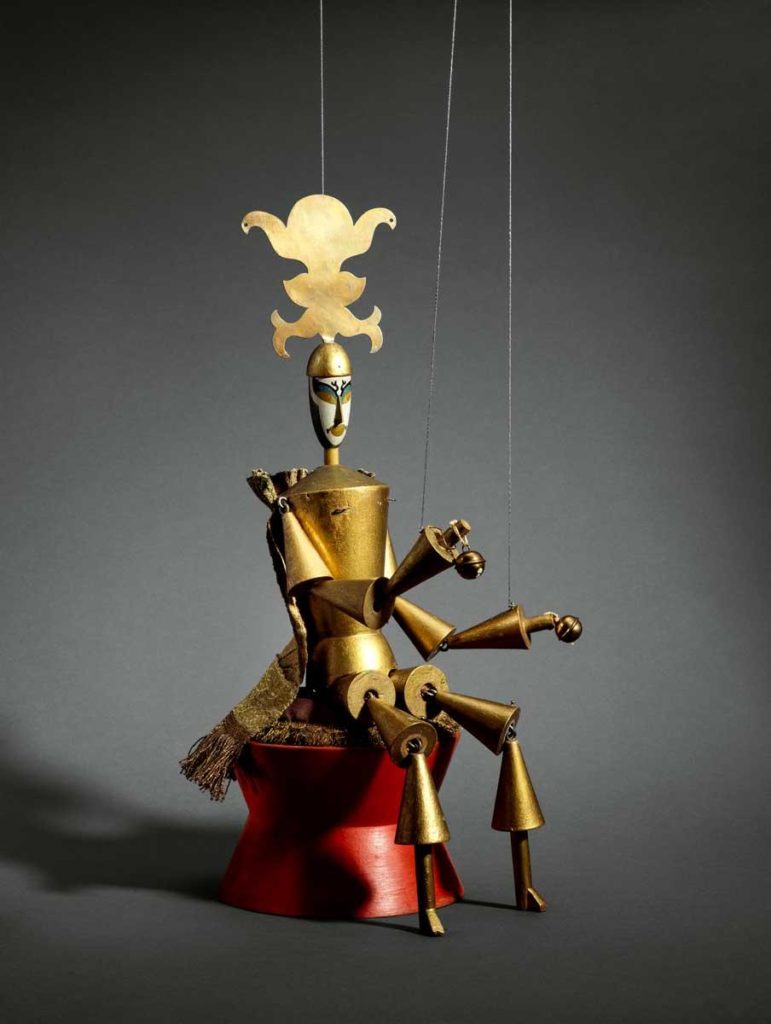
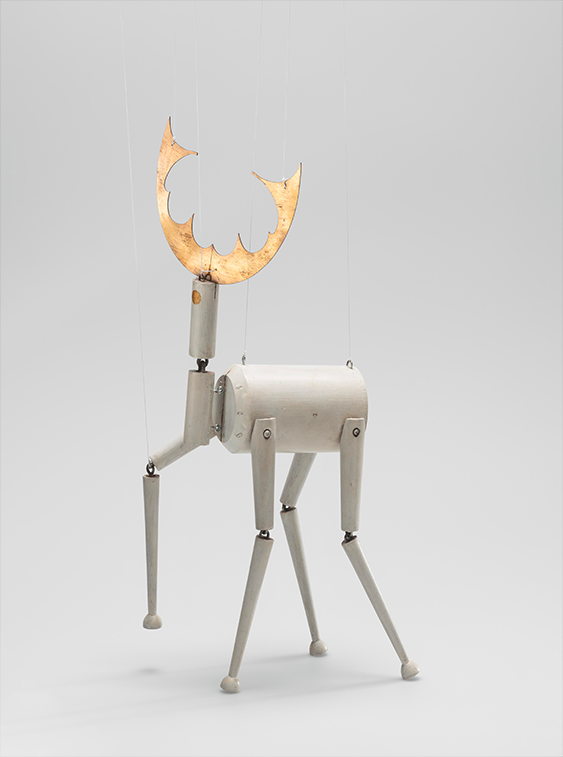

[King Stag: Clarissa]
1918. Photo: Marlen Perez, Museum für Gestaltung Zürich/ZHdK
Abstraction as a universal language
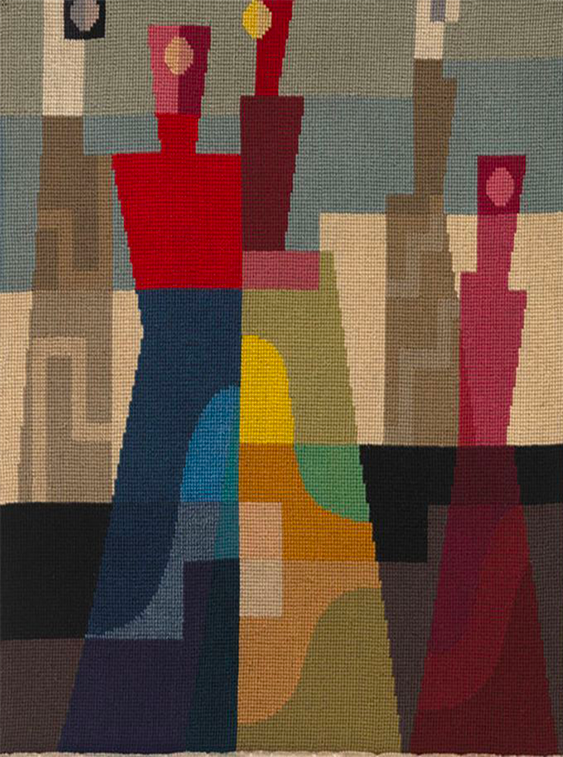
Long before geometric abstraction became dominant, Sophie Taeuber-Arp explored circles, lines and structured compositions.
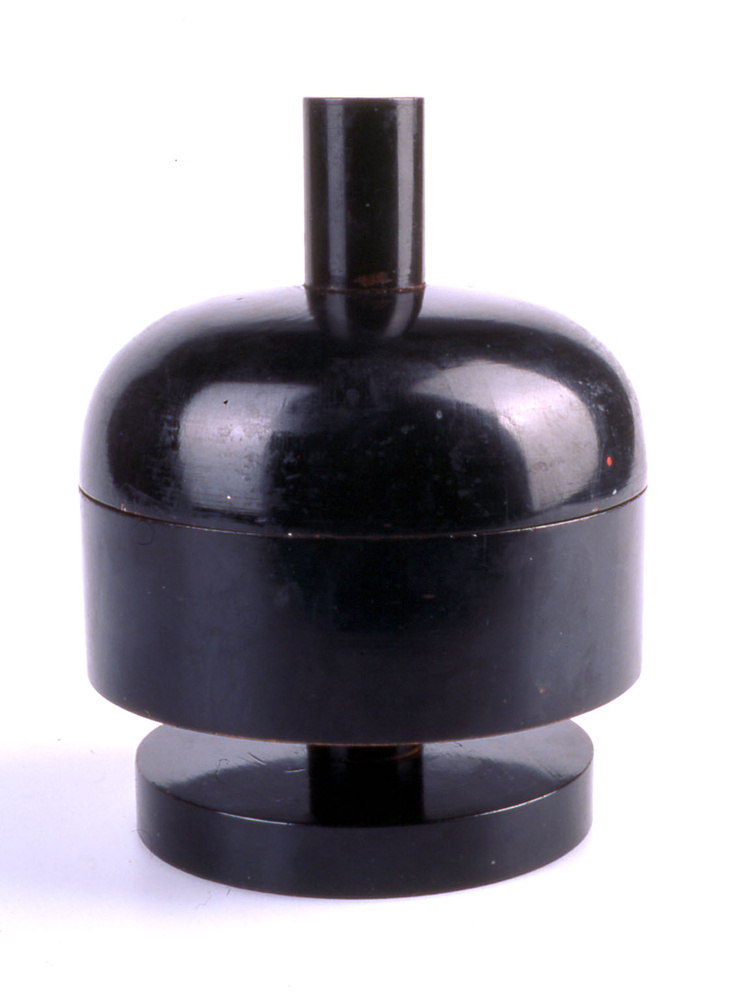
Painting, textiles, furniture and interiors—she refused to be confined to one discipline.
Her work resonates with later figures such as Max Bill, embodying a shared pursuit of clarity and form.
Her geometry is never cold—it is alive.
Strasbourg, Paris and international recognition
In the 1920s, she moved to Strasbourg and later Paris.
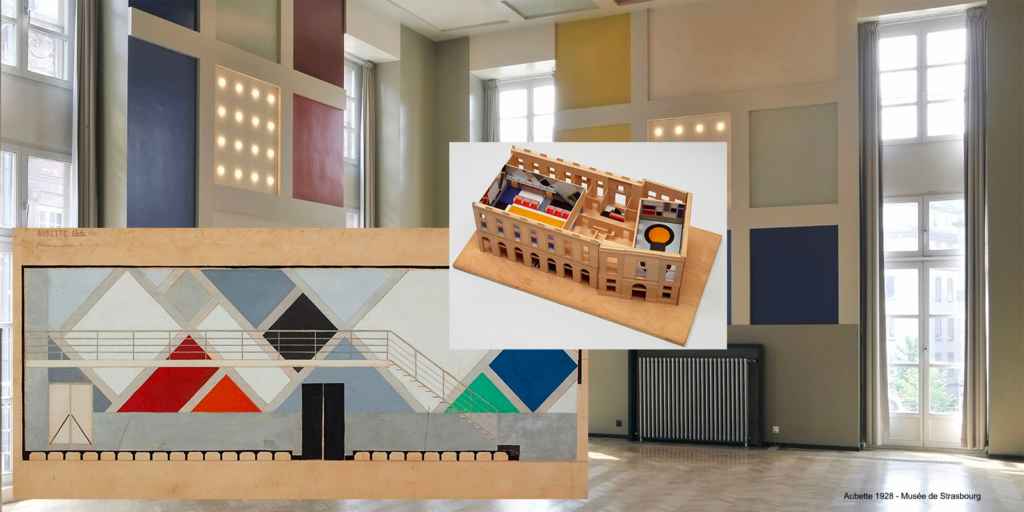
She contributed to the groundbreaking project L’Aubette in Strasbourg, a major example of modernist total design.
Her work circulated across Europe, though recognition came slowly.
A tragic ending
In the 1920s, she moved to Strasbourg and later Paris.
She contributed to the groundbreaking project L’Aubette in Strasbourg, a major example of modernist total design.
Her work circulated across Europe, though recognition came slowly.
A legacy finally recognized
Today, her work is celebrated worldwide.
MoMA, Centre Pompidou, Tate Modern, Fondation Beyeler and Kunsthaus Zürich all recognize her contribution.
In 2021, a major MoMA retrospective confirmed her place among the pioneers of modern art.
Sophie Taeuber-Arp stands today as one of the most visionary figures of Swiss modernism—
a woman who turned precision into freedom.