
There are creators who shape objects.
And others who shape a vision of the world.
Born on December 22, 1908, in Winterthur, Max Bill belongs to the latter category. Painter, sculptor, architect, graphic designer, theorist and industrial designer, he embodies the idea of the total artist. Through his work, Switzerland becomes more than a territory: it becomes an aesthetic defined by precision, balance and clarity.
Education and early influences
Max Bill began his training at the School of Applied Arts in Zurich between 1924 and 1927, where he developed an early sensitivity to formal rigor and structural principles. This initial education instilled in him a taste for precision and methodical work, characteristics that would shape his entire career.
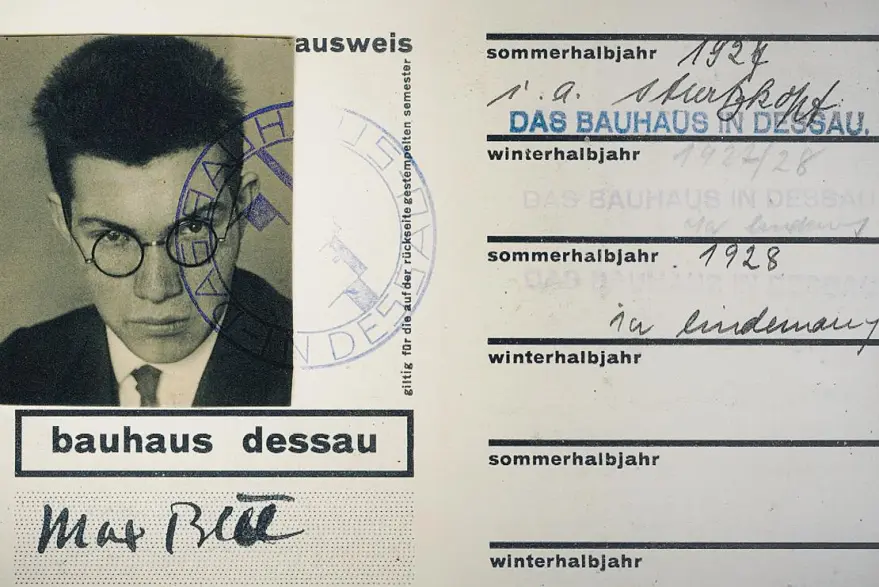
In 1927, he joined the Bauhaus in Dessau, the avant-garde school founded by Walter Gropius. He studied there until 1929, a decisive period during which he was influenced by major figures such as Paul Klee, Wassily Kandinsky and Josef Albers.
At the Bauhaus he discovered a new conception of art: a discipline where architecture, design, typography and visual arts interact within a rational and universal framework. This experience profoundly shaped his thinking and would guide his entire career.
Concrete art: precision as a language
In the 1930s, Max Bill emerged as one of the leading advocates of geometric abstraction. In 1932, he joined the Abstraction-Création group, an international movement promoting non-figurative art.
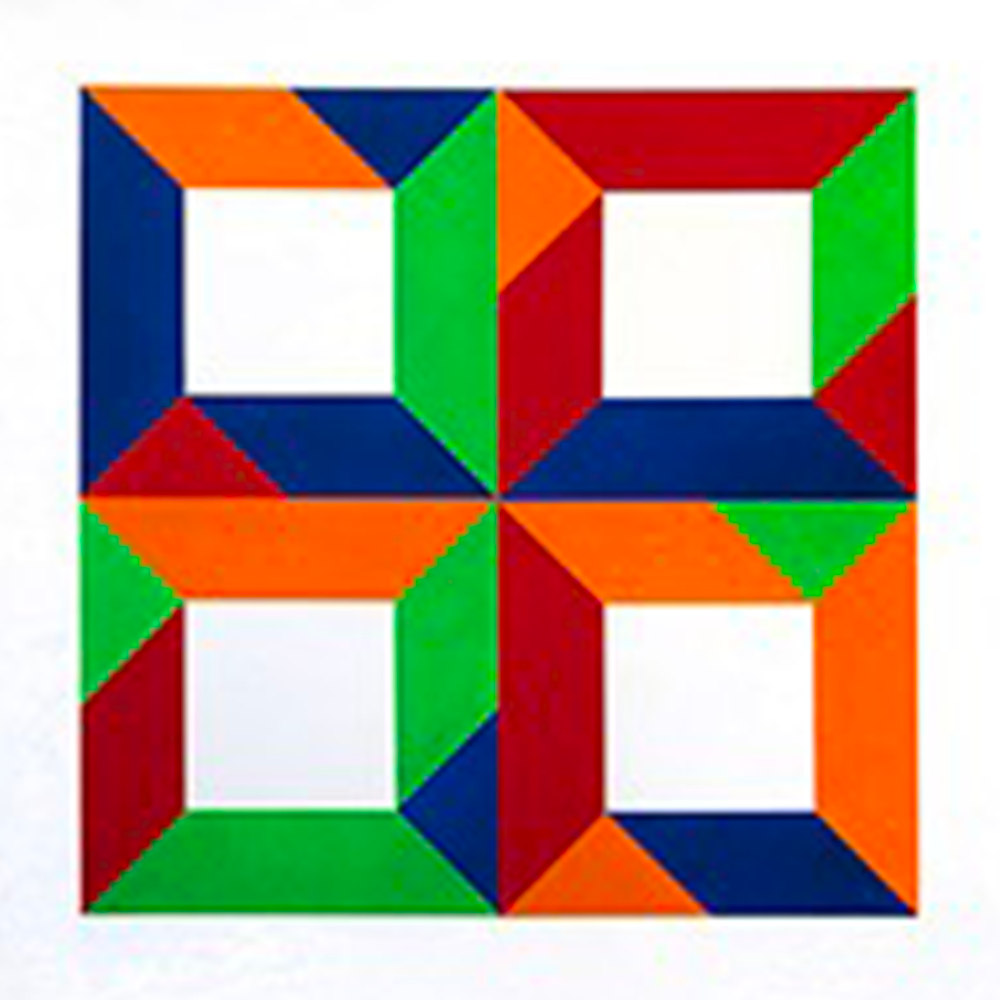
He quickly became the main representative in Switzerland of what he called concrete art. For him, a work of art should not represent the world but be constructed according to rational and mathematical principles.
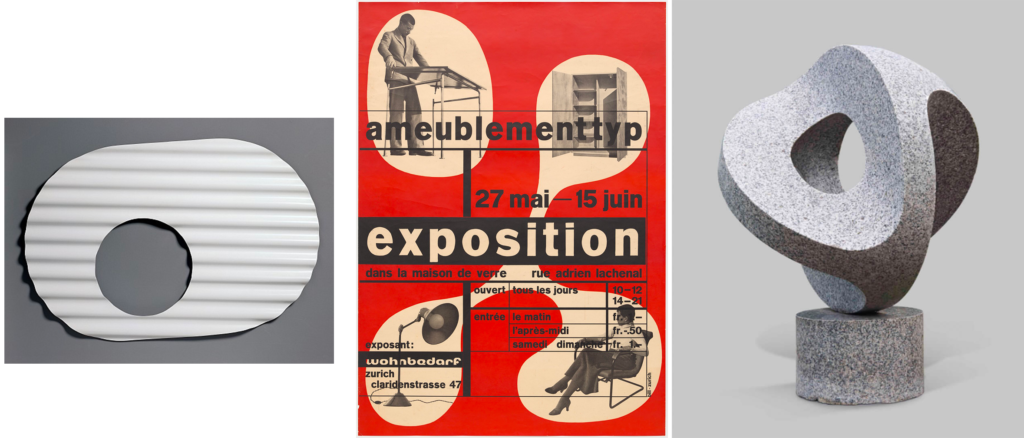
He developed this concept in his texts Konkrete Gestaltung (1936) and Konkrete Kunst (1944), asserting that art can be based on objective structures, proportions and geometric forms.
In 1949, he also published the essay The Mathematical Thinking in the Art of Our Time, in which he explored the relationship between logic, mathematics and artistic creation.
Designer, architect and educator
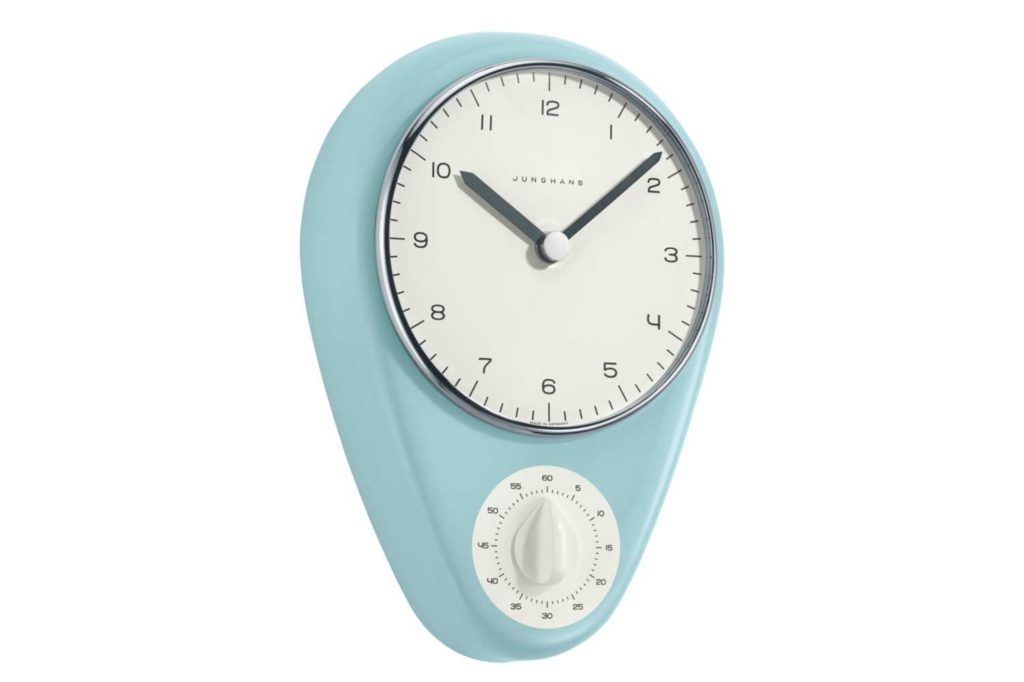
Max Bill never limited himself to a single discipline. He created sculptures, posters, industrial objects, architectural projects and even watches.
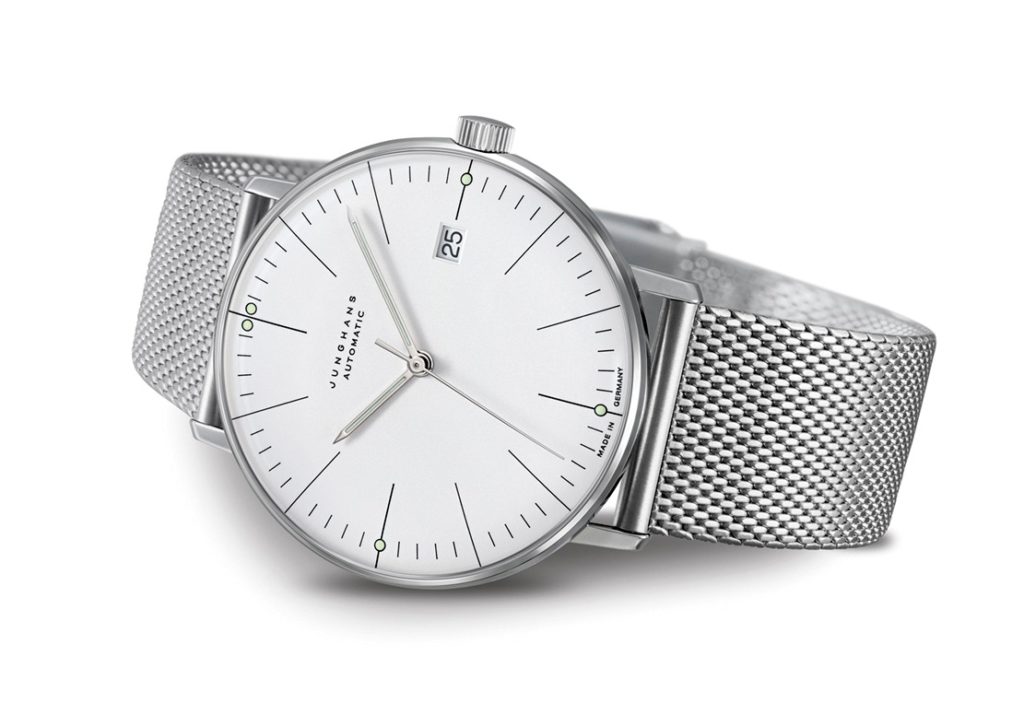
His collaboration with the watch manufacturer Junghans produced models that have become icons of modern design: clean dials, precise typography and perfectly balanced proportions. In his work, beauty always emerges from function.
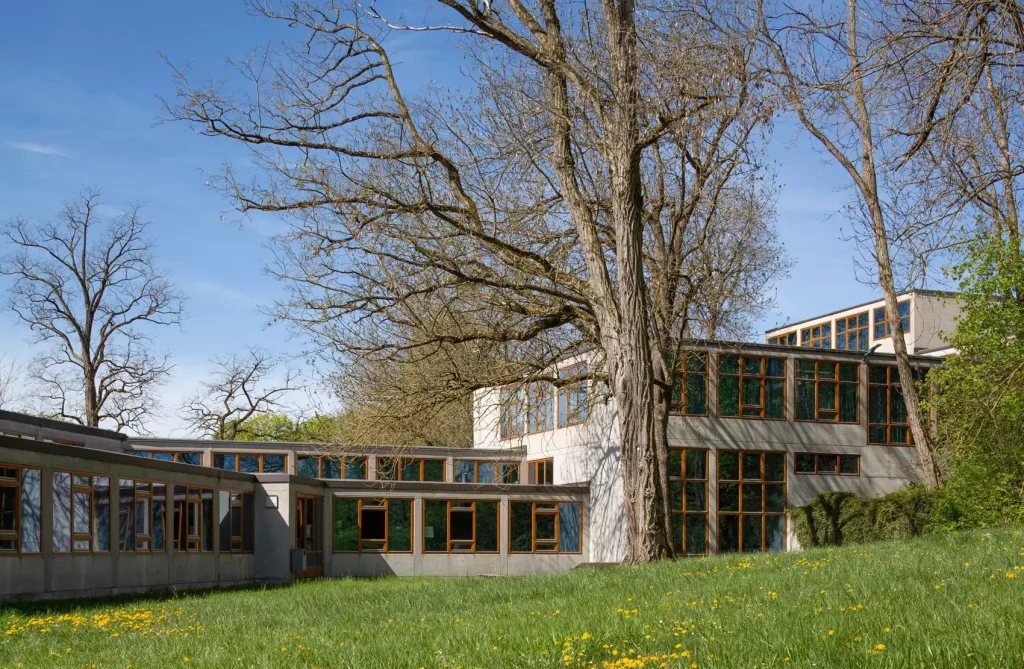
In 1950, he co-founded the Hochschule für Gestaltung Ulm in Germany, widely regarded as the intellectual successor to the Bauhaus. He designed the school’s buildings himself in 1951 and developed a pedagogical approach based on analysis, rational thinking and the social responsibility of design.
A lasting imprint in Switzerland
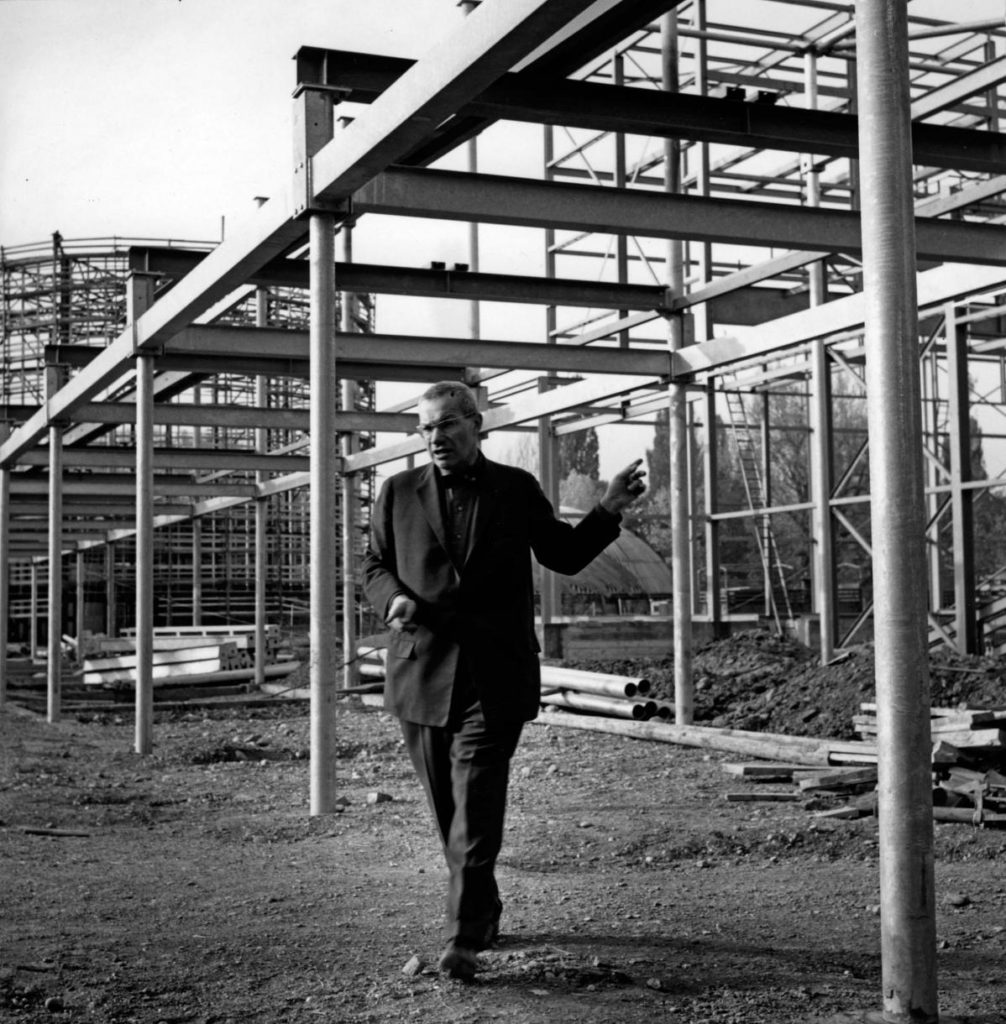
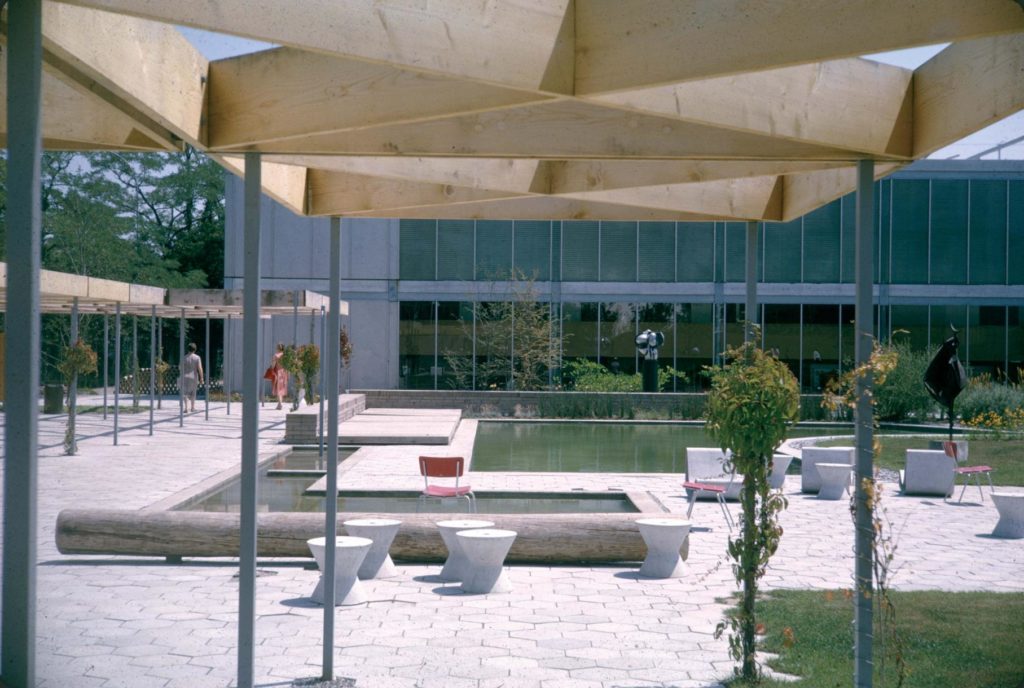
In Switzerland, Max Bill also created several significant architectural works. Among them is the Théâtre de Vidy in Lausanne, built for the Swiss National Exhibition in 1964.
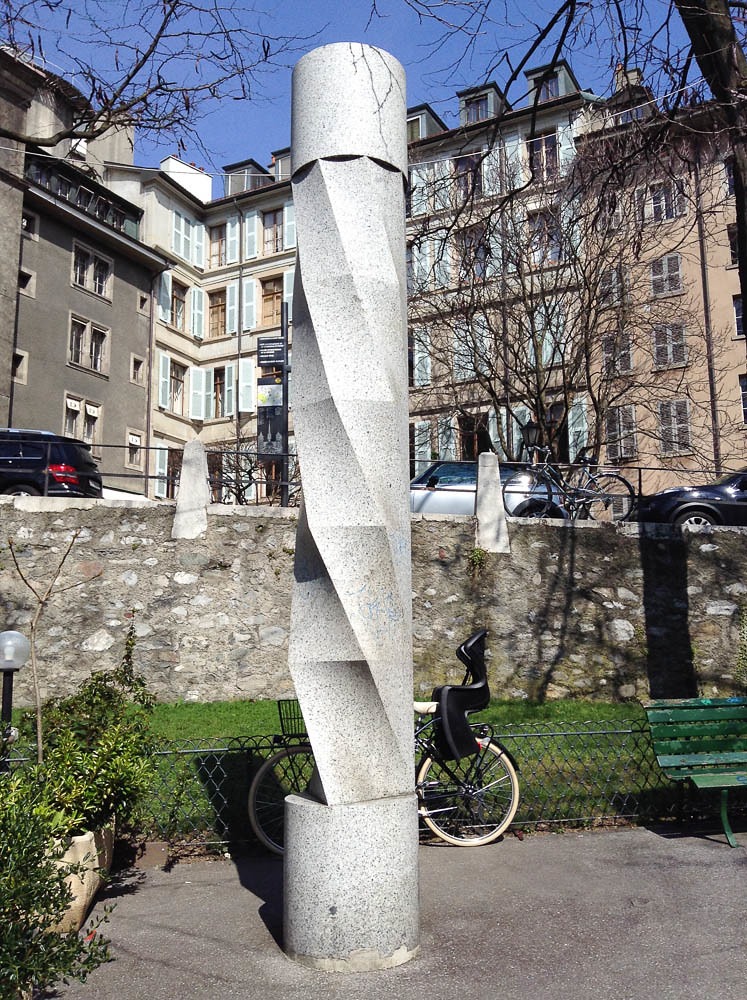
In Geneva, he designed a monumental column sculpture installed in 1966 on the historic square of Bourg-de-Four. Later, between 1988 and 1992, he contributed to the artistic decoration of the UNI-Mail university building in collaboration with Geneva artists Jürg Bohlen, Alfredo Mumenthaler, Gilles Porret and Philippe Spahni.
International recognition
Max Bill’s international recognition came early. In 1951, he received the sculpture prize at the Milan Triennale as well as at the São Paulo Biennial.
He was also awarded the Prize of the City of Zurich in 1968, acknowledging the importance of his work to Swiss culture.
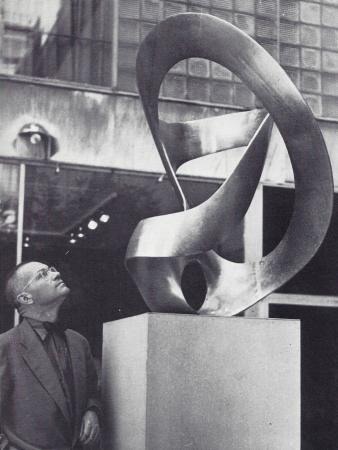
A legacy that continues to inspire
Max Bill passed away in 1994, leaving behind an extraordinary body of work that continues to influence architecture, graphic design and contemporary industrial design.
Even today, his aesthetic — defined by geometry, clarity and precision — embodies a form of modern Swissness: discreet elegance, intellectual rigor and timeless balance.
With Max Bill, precision becomes poetry.
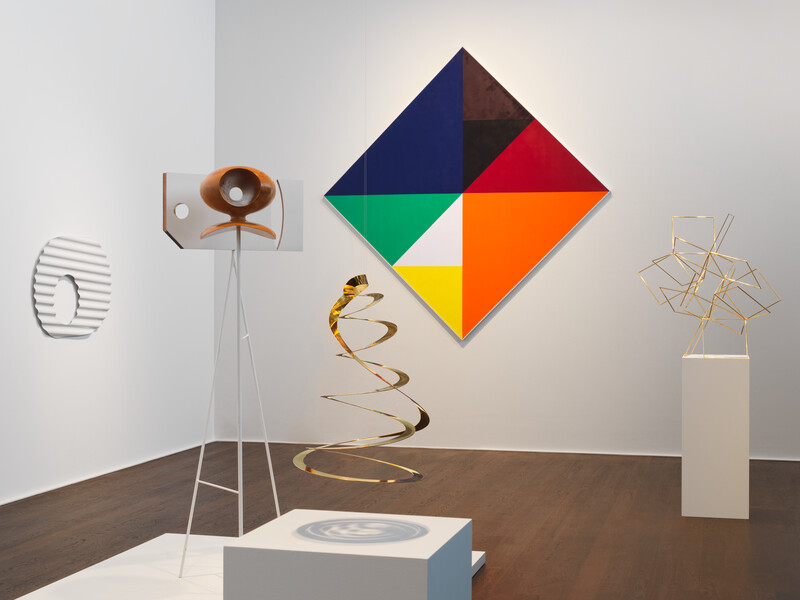
Installation view, Hauser & Wirth, Zurich, 2019