Some watches tell the time; others give it a form of its own. In 2026, several maisons moved beyond technical demonstration to turn the dial into a landscape, an architecture or a repository of memory. The calendar becomes a moment of theatre, the movement emerges as sculpture, and artistic crafts transform a few square centimetres into a story.
From Rolex to Vacheron Constantin, six creations reveal ways of experiencing time that go far beyond a sequence of minutes.
Rolex Perpetual Padellone — When the calendar aligns
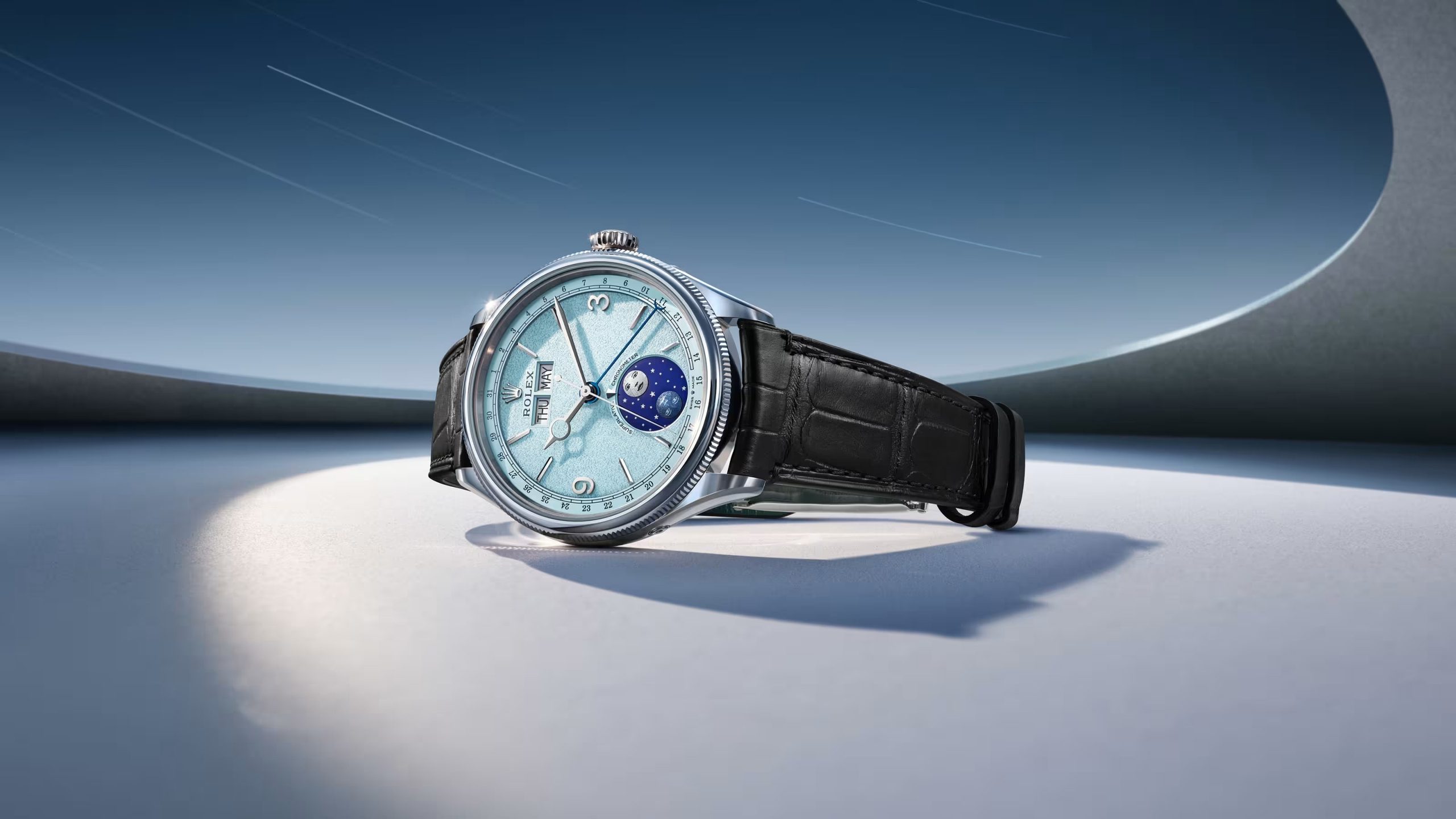
The Rolex Perpetual Padellone combines a complete annual calendar and moonphase display in a beautifully legible design. Thanks to the patented Haplos system, the movement distinguishes between months of thirty and thirty-one days, requiring just one manual adjustment each year, at the transition from February to March.
The real spectacle takes place at midnight. The day, date and month change simultaneously in a fraction of a second. Two apertures at 12 o’clock show the day and month, while a blue hand tipped with a crescent moon indicates the date around the edge of the dial. With its 5-hertz calibre 7190 and numerous patented innovations, the Padellone places precision at the service of an almost poetic idea: watching the calendar fall into place in a single gesture.
Jaeger-LeCoultre Reverso Tribute Enamel Hokusai — A waterfall on the reverse of time
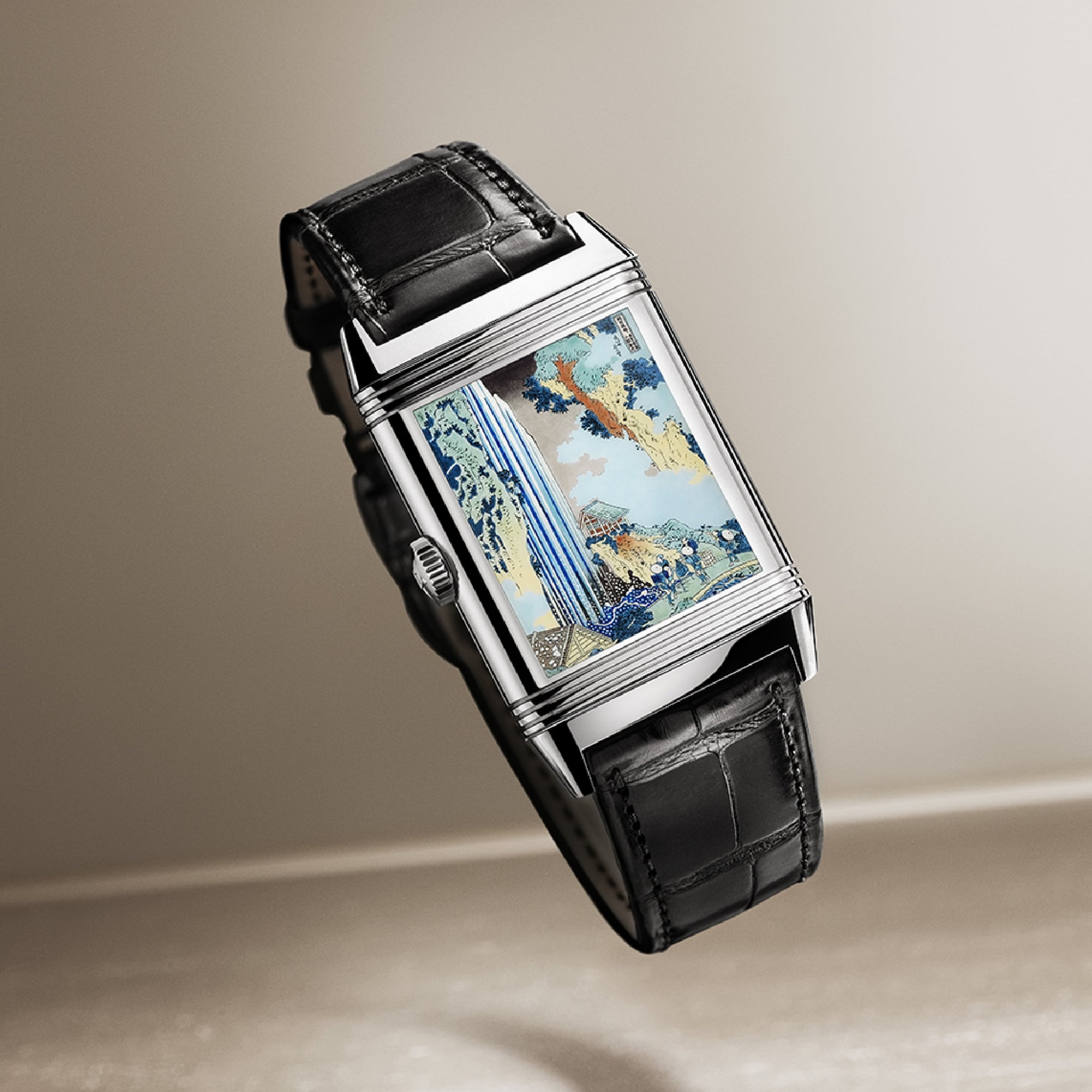
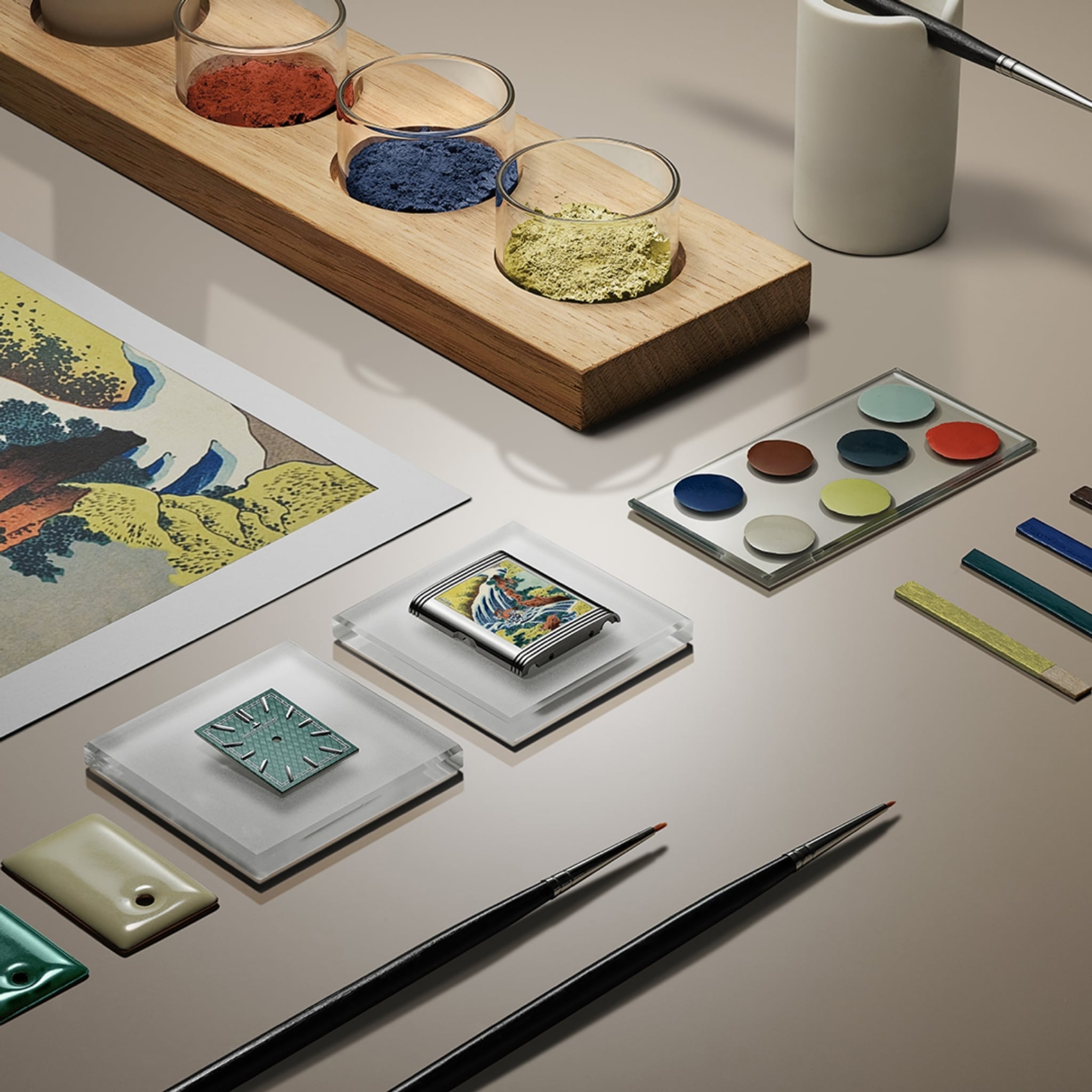
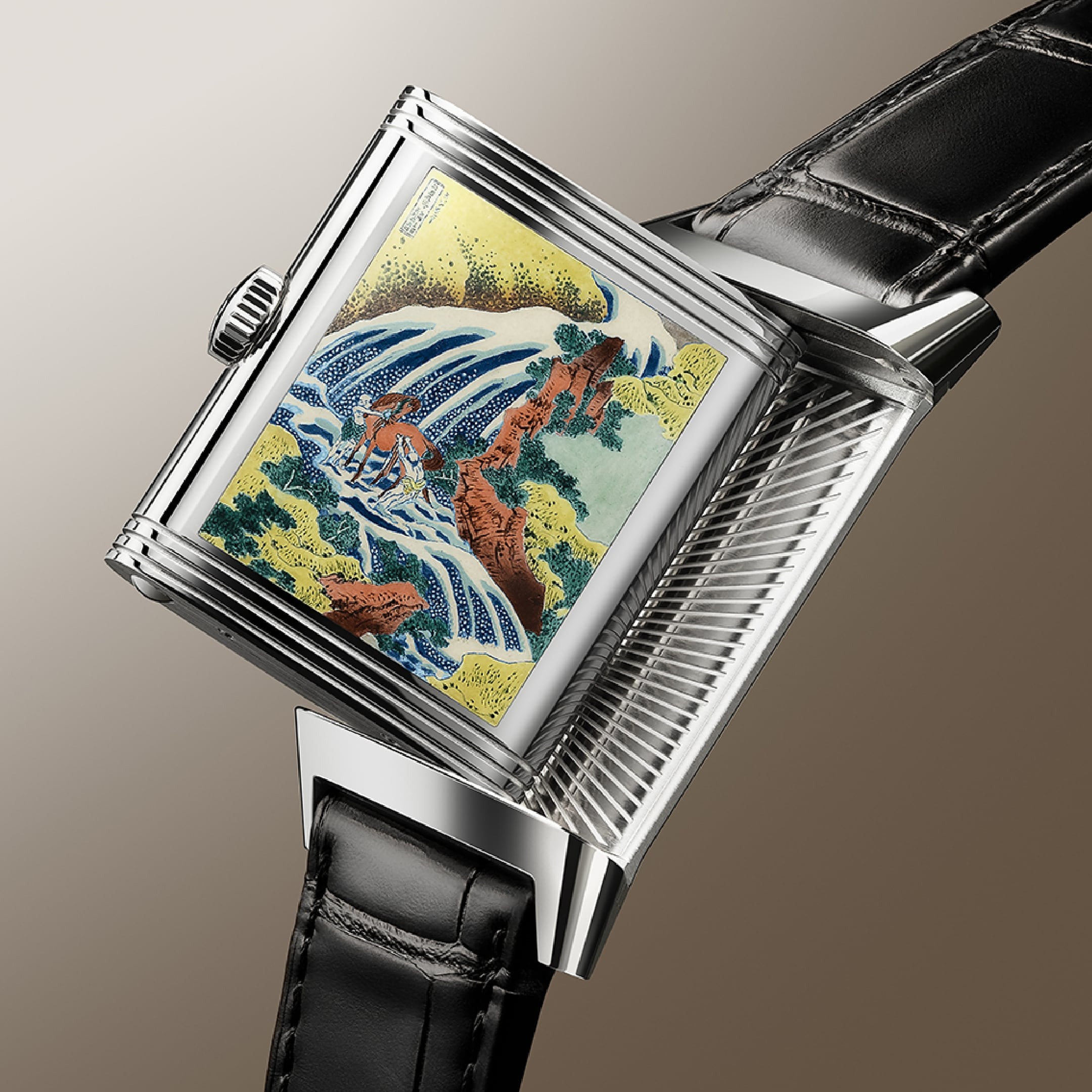
Since its creation, the Reverso has offered a secret second surface. Jaeger-LeCoultre transforms it into a miniature canvas through four Reverso Tribute Enamel editions devoted to the final prints in Katsushika Hokusai’s Waterfalls series.
The Falls at Aoigaoka, Kiyotaki Kannon, Rōben and Yōrō are reproduced by hand in miniature Grand Feu enamel. The dial combines guilloché and enamel, creating a dialogue between European decorative crafts and Japanese imagery. Each interpretation is limited to ten pieces and can require almost one hundred hours of work. When the case is reversed, the watch temporarily stops telling the time and opens a window onto moving water.
Hermès — Making the invisible visible
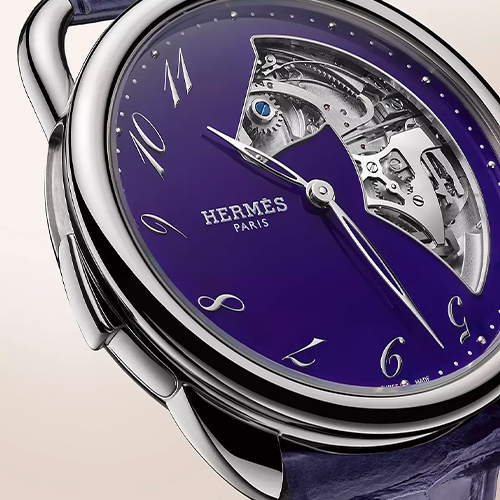
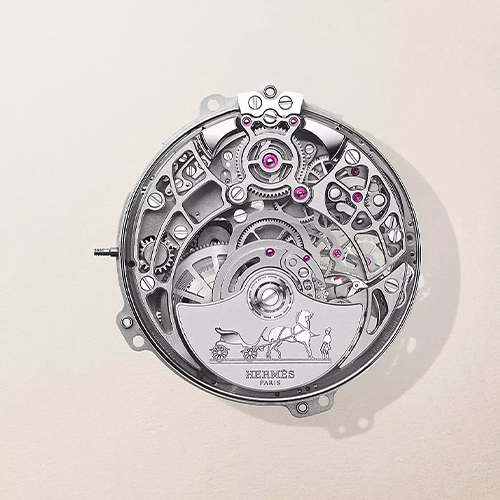
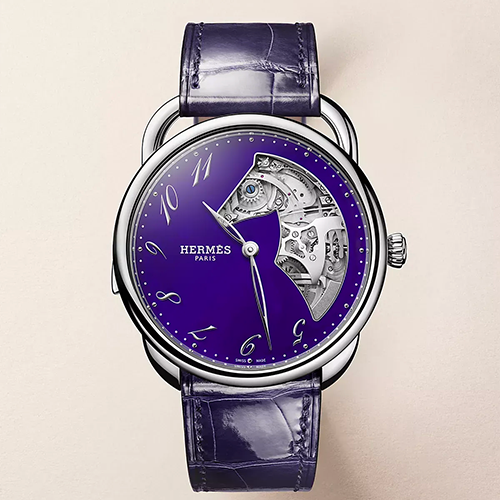
At Hermès, skeletonisation becomes a language in its own right. Across its 2026 watchmaking creations, the mechanics are revealed, transforming gears and components into a living landscape of light and shadow, transparency and depth.
The Hermès H08 Squelette retains its distinctive silhouette, poised between a circle and a square. Its 39 mm satin-brushed titanium case houses the new automatic H1978S calibre, a skeletonised titanium movement developed by the Hermès manufacture. Its openworked lines and exposed gears create a light, graphic and resolutely contemporary architecture. Depending on the version, the structured rubber strap echoes the watch’s colour palette, while Super-LumiNova® hour markers reinforce its sporty character.
With the Arceau Samarcande, exposed mechanics meet the Maison’s equestrian heritage. Housed in a 38 mm white or rose gold case, its Saint-Louis crystal dial is openworked in the shape of a horse’s head. This cut-out reveals the new H1927 automatic skeleton movement, designed and manufactured exclusively for Hermès. Its minute repeater mechanism chimes the time on demand. On the reverse, the sapphire crystal caseback reveals the repeater hammers and a micro-rotor finely decorated with the Duc attelé motif.
Cartier Privé Les Opus — History begins again with shape
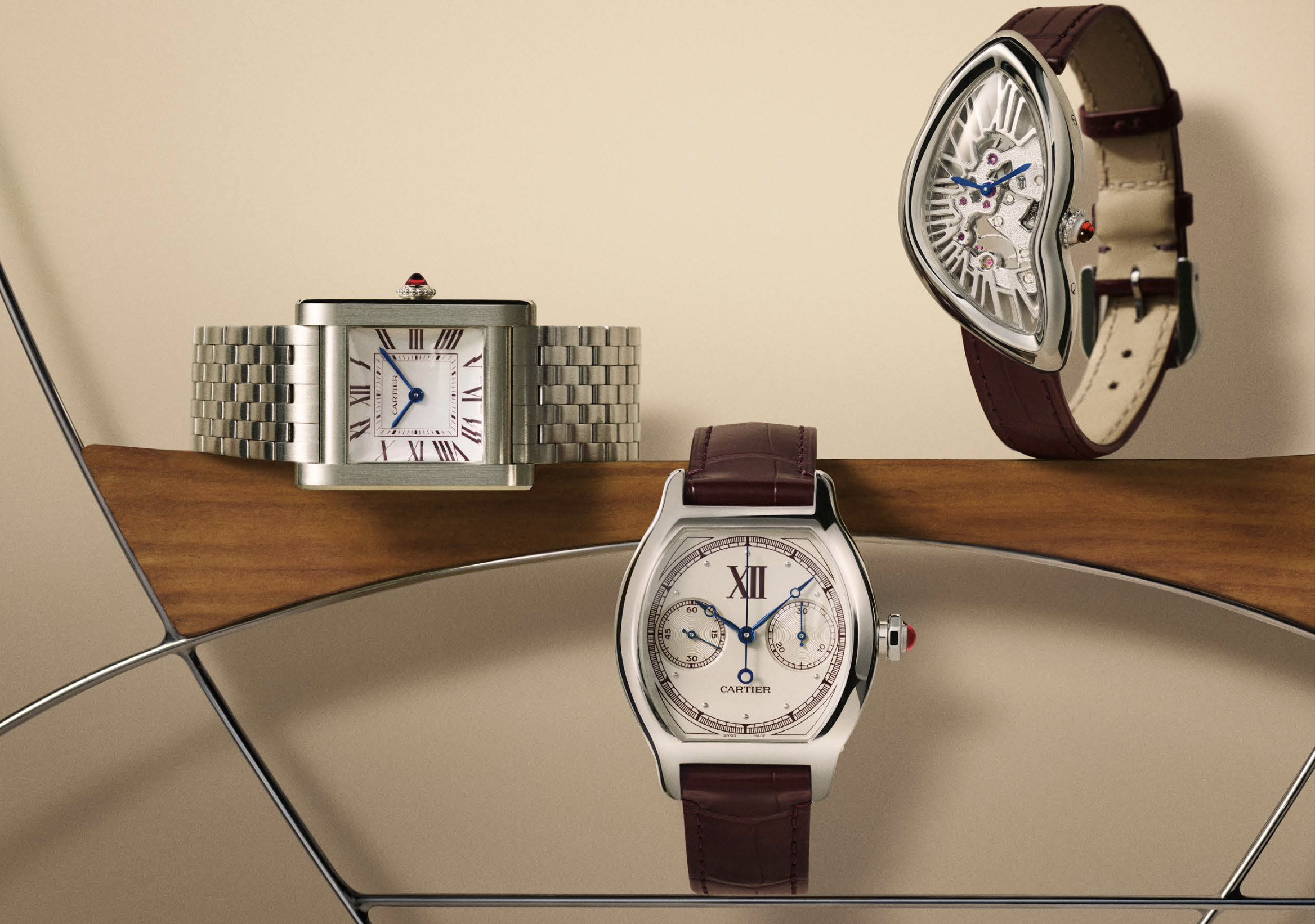
For the tenth chapter of Cartier Privé, the Maison revisits three iconic silhouettes from previous editions: the Tank Normale, the Tortue Chronographe Monopoussoir and the Crash Squelette. Brought together under the name Les Opus, they remind us that Cartier’s watchmaking identity is, above all, defined by geometry.
Platinum, burgundy accents and ruby cabochons create a visual family without diminishing the character of each shape. The almost architectural discipline of the Tank meets the curves of the Tortue, while the Crash seems to submit time itself to distortion. Here, reissuing does not mean reproducing: proportion, materials and movements give historical designs a new contemporary presence.
Van Cleef & Arpels Midnight Jour Nuit Phase de Lune — Setting the sky in motion
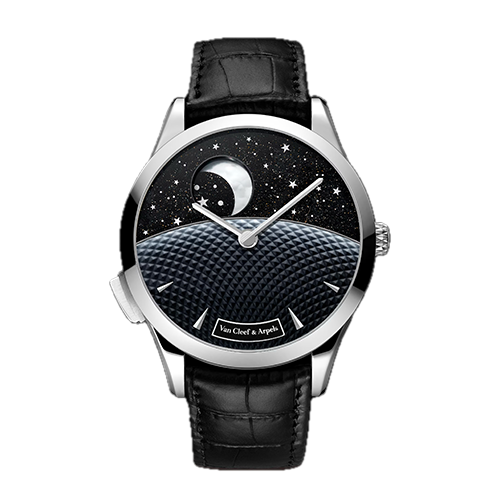
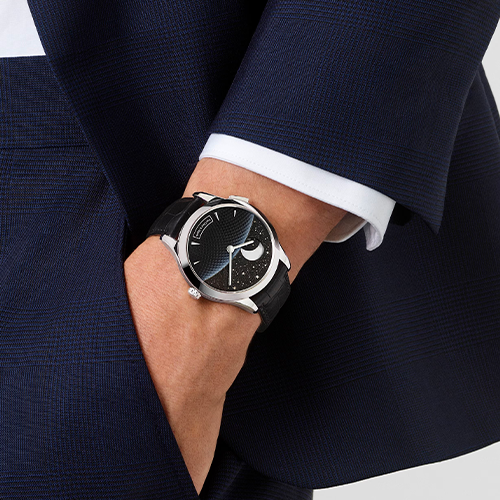
With the Midnight Jour Nuit Phase de Lune, Van Cleef & Arpels brings together two complications within a single celestial landscape. The first captures the transition between day and night, while the second displays the current phase of the Moon, a complication that has been part of the Maison’s watchmaking heritage since 1929.
White and yellow gold, white mother-of-pearl, aventurine glass and diamonds create a deep sky in which the indications seem to float rather than simply appear. Mechanics become cosmic choreography: time is no longer merely read, but watched as it evolves.
Vacheron Constantin Métiers d’Art — The Louvre on a dial
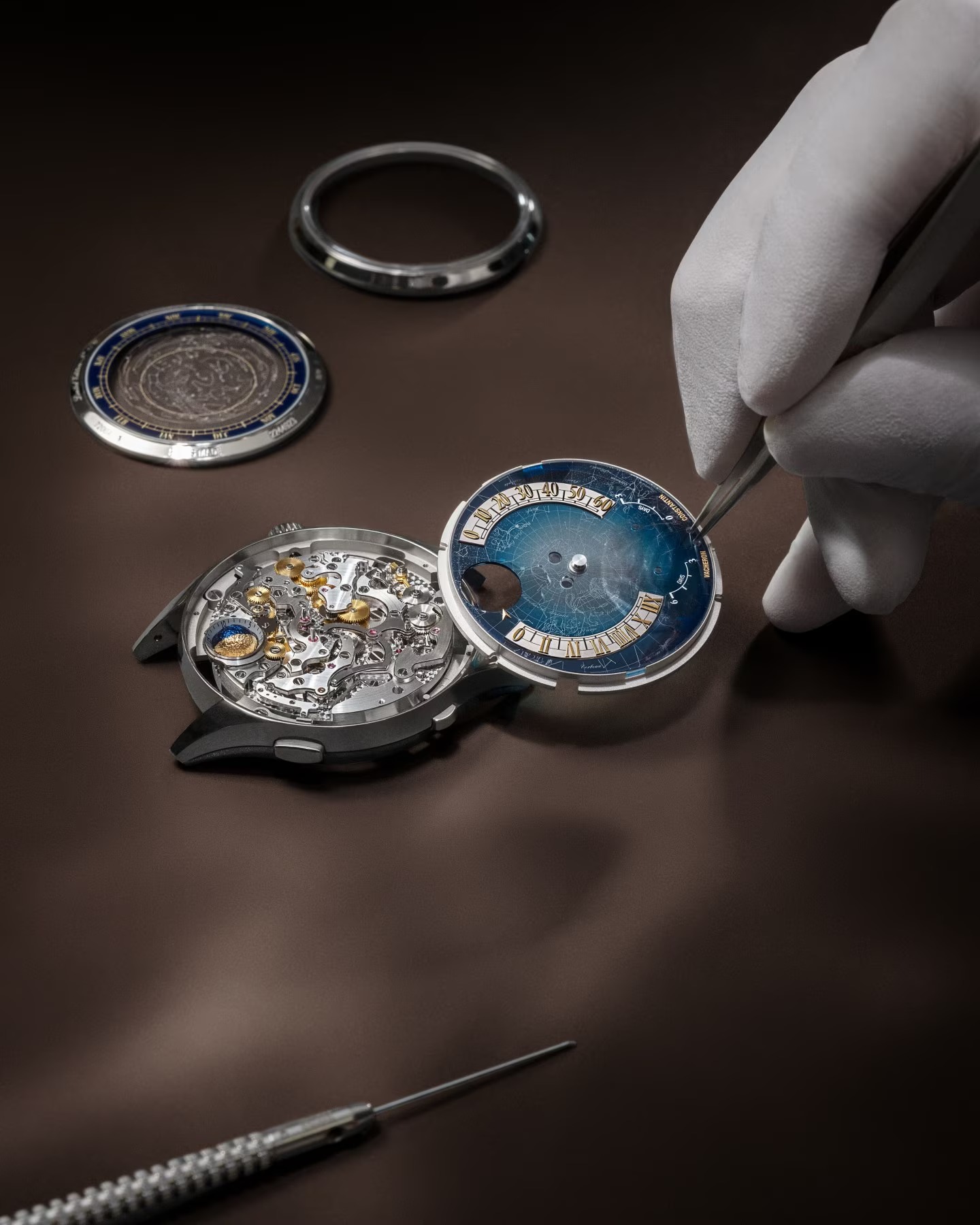
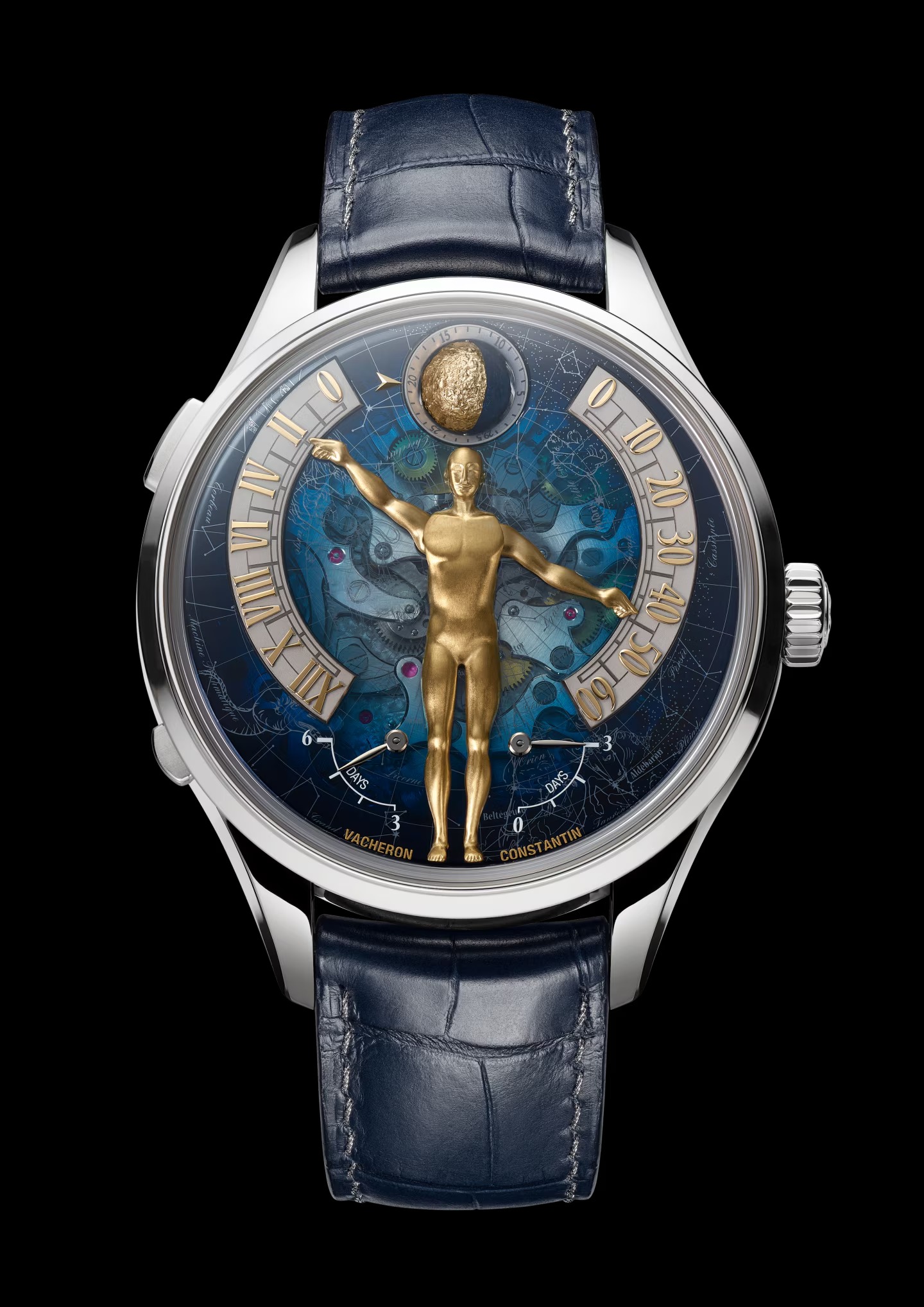
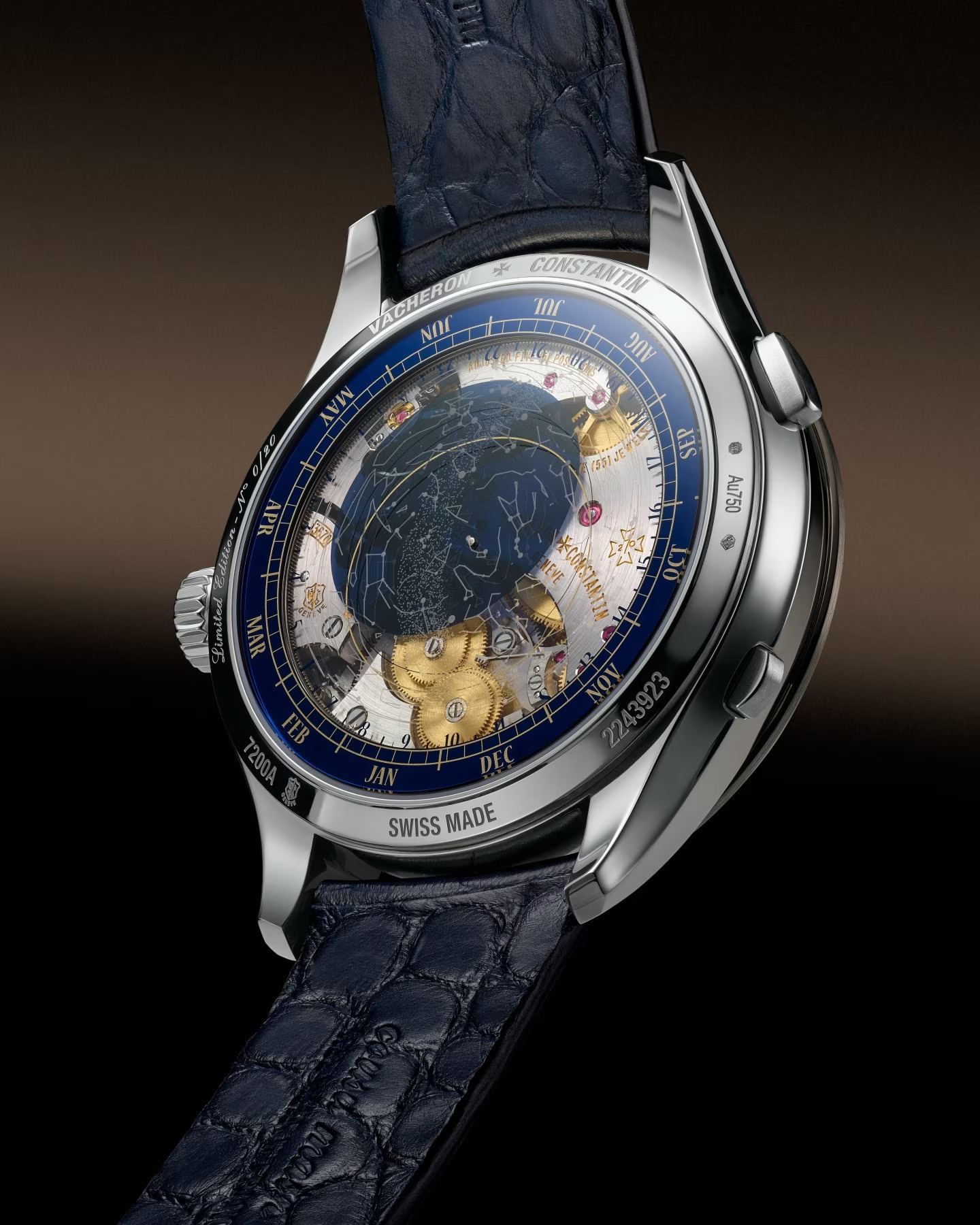
In 2026, Vacheron Constantin continues its dialogue with the Louvre Museum through four new Métiers d’Art Tribute to Great Civilisations timepieces. They reinterpret the Athena of Velletri, the bust of Akhenaten, the Lamassu of Sargon II and the Tiber of the Iseum Campense, evoking Ancient Greece, Pharaonic Egypt, the Neo-Assyrian Empire and Imperial Rome respectively.
Developed over three years with the museum’s curators, the project brings together engraving, micromosaic, enamel, marquetry and glyptics. Some stones were even selected for their similarity in nature or origin to those found in the Louvre’s works. Limited to fifteen examples of each interpretation, these watches do more than miniaturise a masterpiece: they translate a civilisation into the language of watchmaking.
Time as material
These six propositions are less about performance than representation. Rolex orders the calendar, Jaeger-LeCoultre captures water, Hermès reveals mechanics, Cartier revives shape, Van Cleef & Arpels animates the sky and Vacheron Constantin summons history.
In 2026, the most fascinating watches do more than measure time. They give it an image, a rhythm and, sometimes, a memory.