
Zurich and Grisons Roots
Born Johanna Louise Heusser on June 12, 1827, in Hirzel, in the canton of Zurich, Johanna Spyri grew up in a cultivated bourgeois family with deeply humanist values.
Her father, Dr. Johann Heusser, was a respected physician, and her mother, Meta Schweizer, a sensitive and inspired poet.
In this family of six children, education was open and nurturing — there was reading, music, and prayer. From an early age, Johanna found in words both a refuge and a form of expression.
Her stays in the Chur valley, with relatives living in the Grisons, offered her an immersion in the Alpine world — mountains, chalets, meadows, and pure light — that would later become the poetic setting of Heidi.
After completing her studies at a girls’ boarding school in Zurich, she emerged as a curious, independent, and educated young woman — in an era when female writers were still rare.
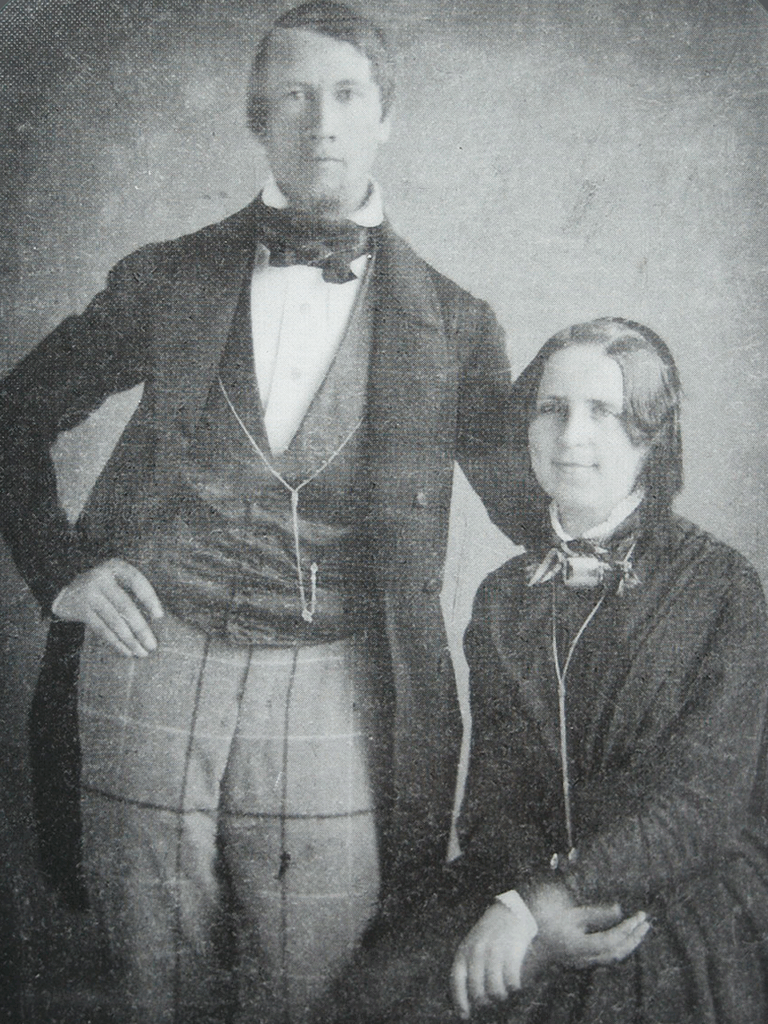
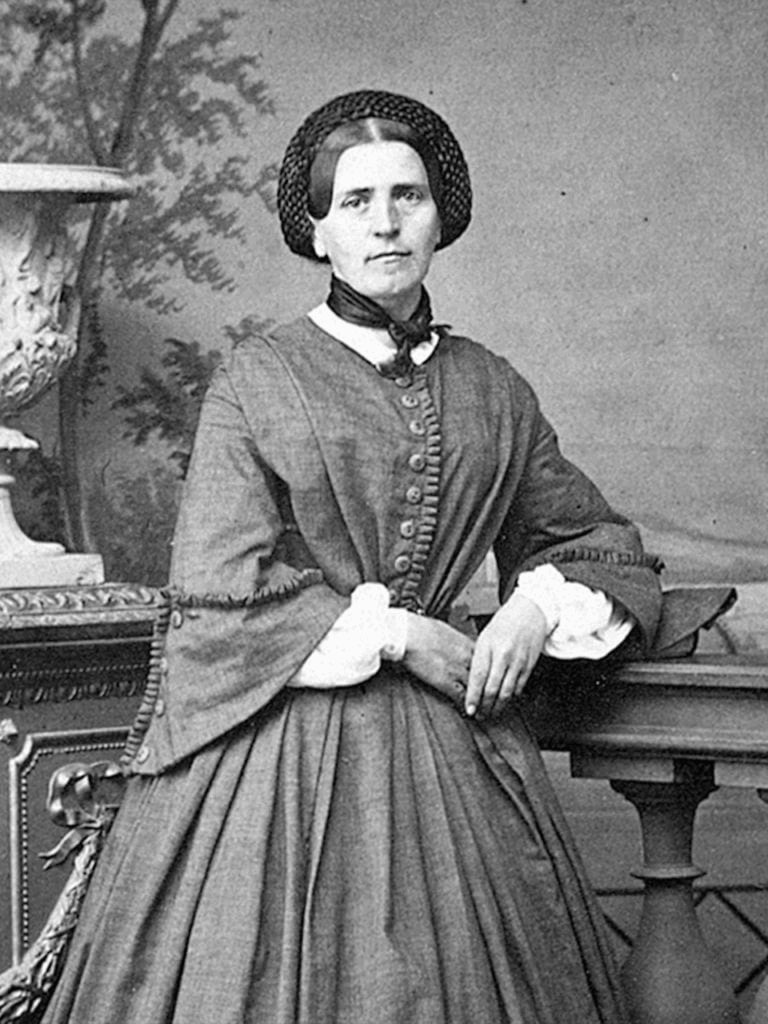
A Writer of Heart and Nature
In 1852, Johanna married Bernhard Spyri, a jurist and writer who would later become the municipal archivist of Zurich. From this union came their only child, Bernhard Jr., whom she cherished deeply.
But Johanna’s life was marked by loss: in 1884, she lost both her husband and her son. These sorrows would infuse her work with profound emotional depth.
It was in her forties that she published her masterpiece, Heidi, Her Years of Learning and Travel (1880).
The story of a young orphan sent to live with her grandfather in the Alps met with immediate success in Switzerland, and soon after, around the world.
Beneath the surface of a children’s tale, Johanna Spyri delicately explored the great themes of her time — exile, poverty, resilience, the role of women, and the spiritual bond with nature.
Her writing, imbued with gentleness and clarity, resonates as a celebration of simple life, courage, and kindness.
A Quiet Life, a Global Legacy
Modest and deeply faithful, Johanna Spyri never sought fame.
She lived a simple life in Zurich, quietly supporting charitable and social causes.
She passed away on July 7, 1901, at the age of 74, leaving behind a monumental literary legacy.
Heidi would go on to be published in thousands of editions and translated into 55 languages, inspiring countless adaptations for film, television, theatre, and even manga.
The image of the free-spirited little girl in the heart of the mountains has become a universal emblem of childhood and of Switzerland itself.
Today, Johanna Spyri’s birthplace in Hirzel, transformed into a museum, welcomes visitors from around the world who come to reconnect with the origins of this enduring literary legend.
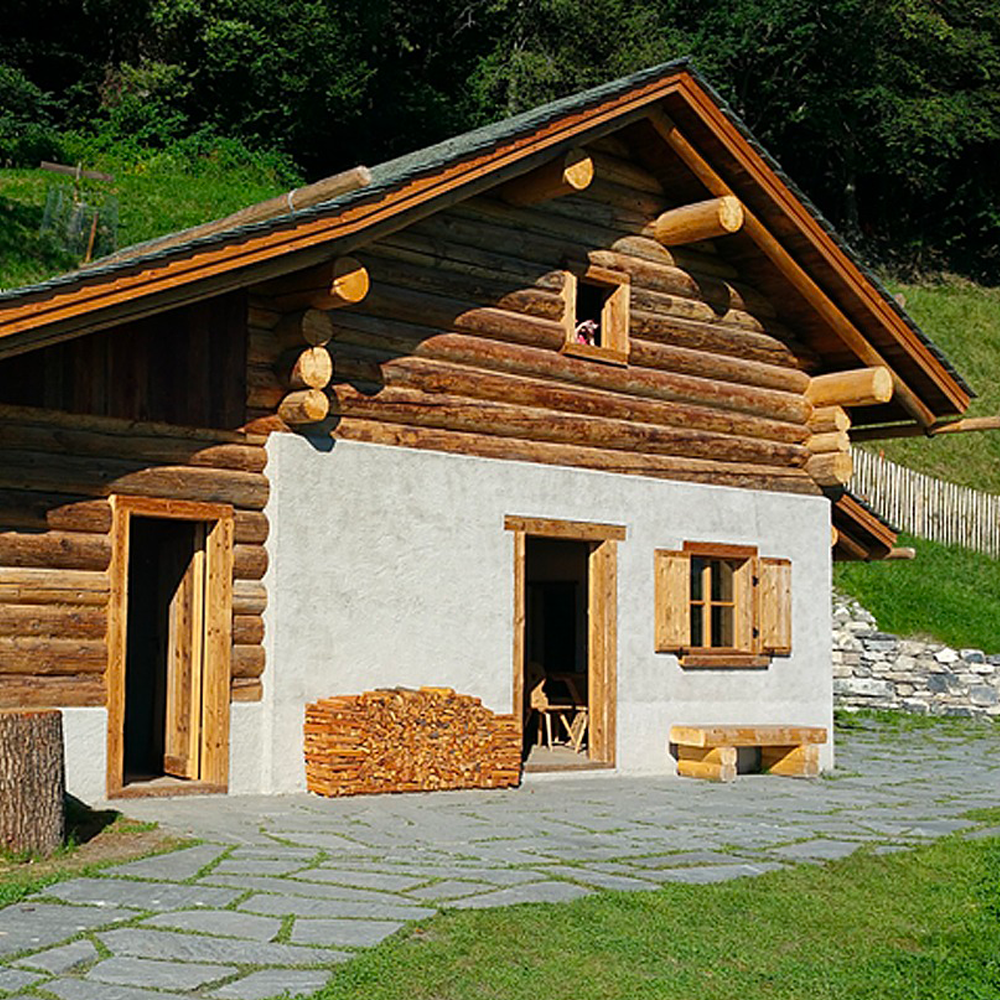
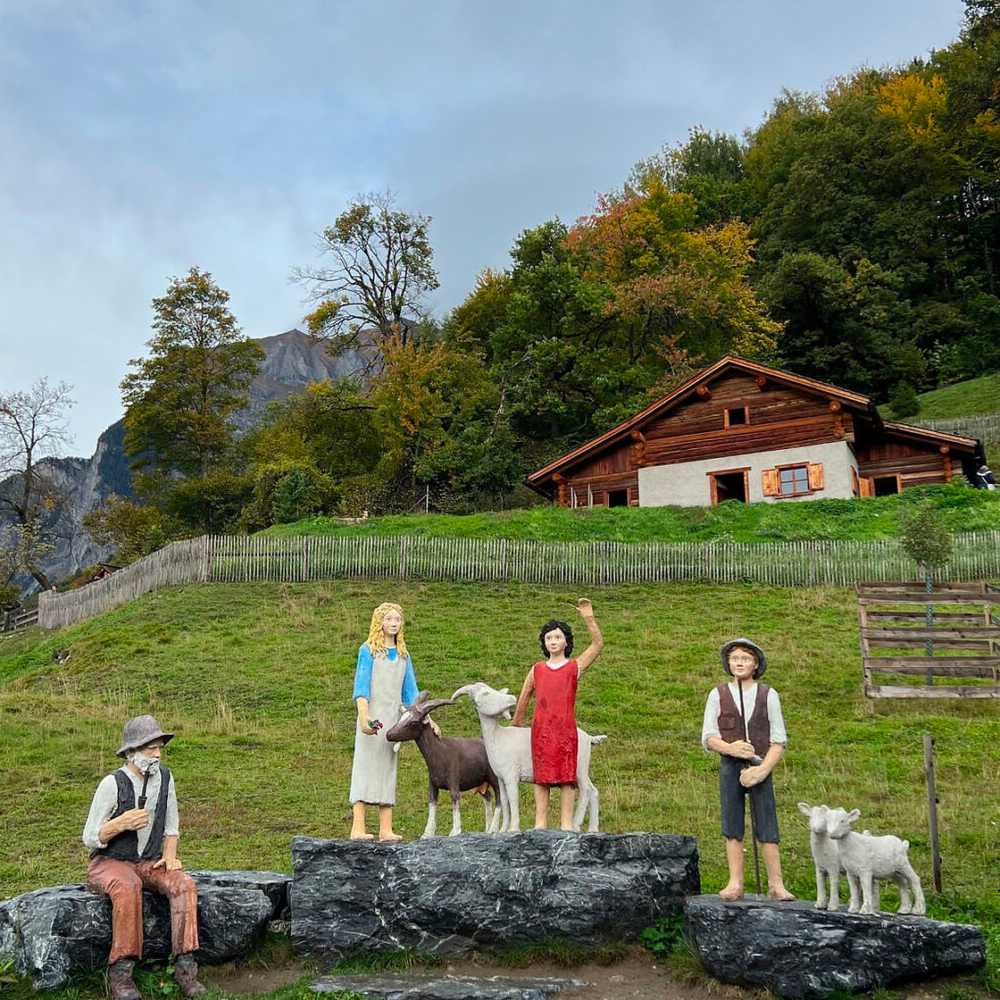
A Timeless Literary and Cultural Legacy
In 2023, the inclusion of the Johanna Spyri and Heidi archives in UNESCO’s Memory of the World Register confirmed the universal significance of her work.
More than just a novel, Heidi has become a living symbol of Swiss culture, celebrated today through initiatives such as Heidi Heritage, which continues to share her spirit and legacy.
Heidi embodies the eternal Switzerland — love of nature, dignity in adversity, solidarity, and faith in human kindness.
Through her creation, Johanna Spyri offered the world a luminous vision of her country and a timeless lesson in humanity.